

This rosemary focaccia bread is the no-knead bread recipe that produces a result so good it is difficult to believe how little active work it requires. A simple biga starter made the night before from flour, water, and yeast ferments overnight and builds the complex, slightly tangy flavor that makes this focaccia taste like something from a proper Italian bakery. The next day the dough comes together in a bowl with a wooden spoon, folds rather than kneads its way through three 30-minute rises, and bakes in olive oil-coated pans at high heat until golden, crispy on the outside, and light and airy on the inside with fresh rosemary pressed into every dimpled surface.

The biga is the step that makes this recipe the best version of rosemary focaccia bread rather than just a good one. A biga is a pre-ferment, a small portion of the dough mixed and left to ferment for 24 hours before the rest of the ingredients are added. The extended fermentation develops a depth and complexity of flavor that same-day yeast breads cannot achieve regardless of how much seasoning goes into the dough. The result is bread that tastes like it has been working for a day because it has.
Why You’ll Love Rosemary Focaccia Bread
- Simple method: No kneading and no stand mixer. Just a bowl, a wooden spoon, and a rubber spatula.
- Big flavor: The overnight biga creates a bakery-style rise with air bubbles and a delicate chew.
- Hands-off time: Most of the work is resting while the dough rises.
- Perfect texture: Crispy edges from olive oil on the bottom of the pan and a soft, airy interior.
- Beginner friendly: Clear step-by-step guidance with helpful tips, from the first rise to the final bake.

Ingredients You’ll Need
The Biga
All-purpose flour, warm water, and a small amount of instant yeast are all that go into the biga. The magic happens during the 24-hour fermentation as the yeast slowly consumes the flour’s sugars and produces the flavor compounds and carbon dioxide that give the finished focaccia its character. The water temperature between 100 and 110°F is important. Too cool and the yeast activates slowly. Too hot and it dies.
The Dough
Additional all-purpose flour, warm water, and instant yeast build the dough on top of the biga base. Kosher salt seasons the dough and also strengthens the gluten structure during the folding process. Extra-virgin olive oil goes both in the pans and flavors the bottom crust of each loaf. Fresh rosemary chopped and scattered over the top before baking is the defining flavor and aroma of the finished bread.
How to Make Rosemary Focaccia Bread
Make the biga (starter):
In a large mixing bowl, stir flour, warm water, and instant yeast until a wet, sticky ball forms and no dry flour remains on the sides of the bowl. Cover tightly with plastic wrap and let it stand at room temperature for 24 hours. The biga will puff, smell yeasty, and look bubbly on top. This slow rise builds flavor and gives focaccia its light texture.
Build the dough:
Stir more flour, warm water, and yeast right into the biga. Mix with a wooden spoon until the dough comes together in a rough ball and the flour is fully hydrated. Cover with plastic wrap and let it rest for 15 minutes. This short pause lets the flour absorb water and makes the dough easier to handle.

Salt, rise, and fold:
Sprinkle kosher salt over the dough and stir it in well. Cover and let the dough rise at room temperature for 30 minutes. Spray a rubber spatula with nonstick spray or lightly oil it. Lift one edge of the dough and fold it toward the center. Turn the bowl a quarter turn and repeat, making a total of 8 folds. Cover and let rise for another 30 minutes. Repeat the fold and rise cycle two more times. These gentle folds help build structure without kneading.

Preheat the oven properly:
Set an oven rack in the upper-middle position. Place a baking stone on the rack, if you have one, and preheat to 500°F for at least 30 minutes so the stone and oven are fully heated. A preheated surface helps the bottom crisp. No stone? Use an overturned, preheated rimmed baking sheet.
Pan prep and portioning:
Lightly flour your work surface and turn the dough out. Dust the top with a little flour, then divide in half. Tuck the edges under each piece to form two 5-inch rounds. Pour olive oil into two 9-inch cake pans, swirl to coat, and sprinkle each with a pinch of kosher salt. Place a dough round in each pan, slide it around to coat the bottom and sides with oil, then flip it over so both sides are oiled. Cover with plastic wrap and rest 5 minutes.

Dimple and top:
With oiled fingertips, press the dough out toward the edges of the pan. Use a fork to poke the surface 25 to 30 times to pop large air bubbles and create the classic focaccia texture. Sprinkle chopped fresh rosemary evenly over the top. Let the dough rest 5 to 10 minutes until slightly bubbly.

Bake to golden:
Set the pans on the hot baking stone, reduce the oven temperature to 450°F, and bake 22 to 25 minutes, switching the pan positions halfway through, until the tops are deeply golden brown. Cool in the pans on a wire rack for 5 minutes, then turn the loaves out and cool on the rack for about 30 minutes before slicing.
Expert Tips and Substitutions
- Yeast options: If using active dry yeast, dissolve it in part of the warm water for 5 to 10 minutes until foamy, then proceed.
- Flour swap: Replace up to half the all-purpose flour with bread flour for a chewier crumb, or try part whole wheat flour for a heartier flavor.
- Oil the tools: A light coat of olive oil or nonstick spray on your rubber spatula and fingertips keeps sticky dough easy to handle.
- Flavor boosts: Add thinly sliced garlic, halved cherry tomatoes, or parmesan before baking. Finish with sea salt flakes and a drizzle of extra olive oil while warm.
- Pan choice: Cake pans give tall, soft sides. A rimmed baking pan yields slightly thinner focaccia with more golden surface.
- Warm place tip: If your kitchen is cool, set the covered bowl in the oven with the light on to encourage a steady dough rise.
Storing and Making Ahead
- Room temperature: Wrap the cooled loaves and store at room temperature for up to 2 days in an airtight container or bread bag.
- Freeze: Wrap tightly in plastic wrap, then place in a freezer bag and freeze up to 3 months. Thaw at room temperature.
- Reheat: Warm slices on a baking sheet at 325°F for 8 to 10 minutes, or toast in a skillet with a little olive oil for a crisp edge.
- Make ahead: The biga rests for 24 hours, so plan to mix it the day before baking. You can also refrigerate the shaped, oiled dough rounds in the pans for a few hours before baking. Let them sit at room temperature until puffy, then dimple and bake.

Frequently Asked Questions About Rosemary Focaccia Bread
What is a biga and why does this recipe use one?
A biga is an Italian pre-ferment made from a small portion of the total flour, water, and yeast in a bread recipe, mixed together and left to ferment for an extended period before the rest of the dough is made. The long fermentation develops complex flavor compounds including organic acids and esters that produce the slightly tangy, deeply flavored character of artisan-style breads. A same-day focaccia made without a pre-ferment can be delicious, but a focaccia made with a biga that has fermented for 24 hours has a distinctly more interesting, more developed flavor that most people immediately recognize as a better bread.
Can I skip the biga and make this same-day?
Technically yes but the flavor will be noticeably simpler and less complex. If you need to make it same-day, combine all the flour, water, and yeast in one bowl and proceed from the folding steps. The bread will still be good focaccia. It simply will not have the tangy, complex depth that the 24-hour biga provides. If you have any flexibility on timing, the overnight biga is strongly recommended.
Why is the dough so wet and sticky?
Focaccia dough is intentionally a high-hydration dough, meaning the ratio of water to flour is higher than most bread doughs. The extra water is what produces the light, open, airy crumb structure with large air pockets that defines great focaccia. The folding technique rather than kneading develops the gluten structure in a high-hydration dough without requiring the strength and technique that hand-kneading a very wet dough demands. Do not add more flour to make the dough less sticky. The stickiness is correct.
What is the folding technique and why does it replace kneading?
The folding technique involves lifting the edge of the dough and folding it toward the center, then rotating the bowl and repeating. Eight folds per session repeated three times develops the gluten network in the dough through a series of gentle stretches rather than the continuous mechanical action of kneading. For high-hydration doughs like this focaccia, folding is actually more effective than kneading because it aligns the gluten strands without tearing them and allows the dough to rest and relax between sessions, producing a stronger, more extensible gluten network than hard kneading would.
Do I really need a baking stone?
A baking stone produces the crispiest, most evenly browned bottom crust because it stores and delivers heat very efficiently to the bottom of the pan when it makes contact. If you do not have a baking stone, an overturned preheated rimmed baking sheet on the upper-middle rack is an effective substitute. The key is preheating whatever surface you use for the full 30 minutes before the pans go in so it is thoroughly hot when the focaccia starts baking.
Similar Bread Recipes
If you loved this focaccia, here are a few more homemade bread recipes you might enjoy:
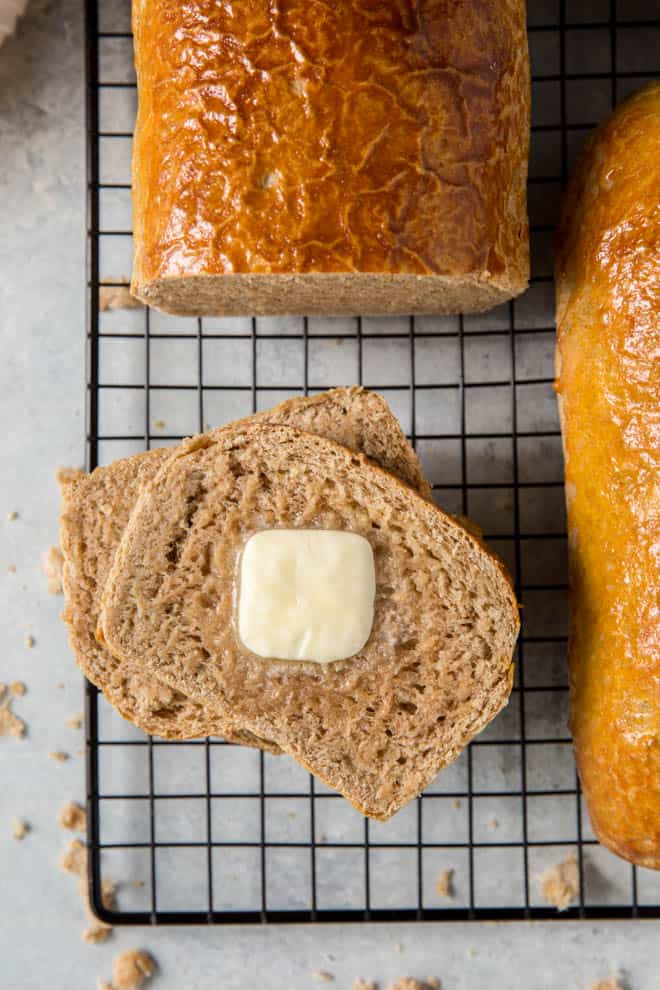
- Whole Wheat Bread
- Chocolate Chip Banana Bread
- Pumpkin Bread
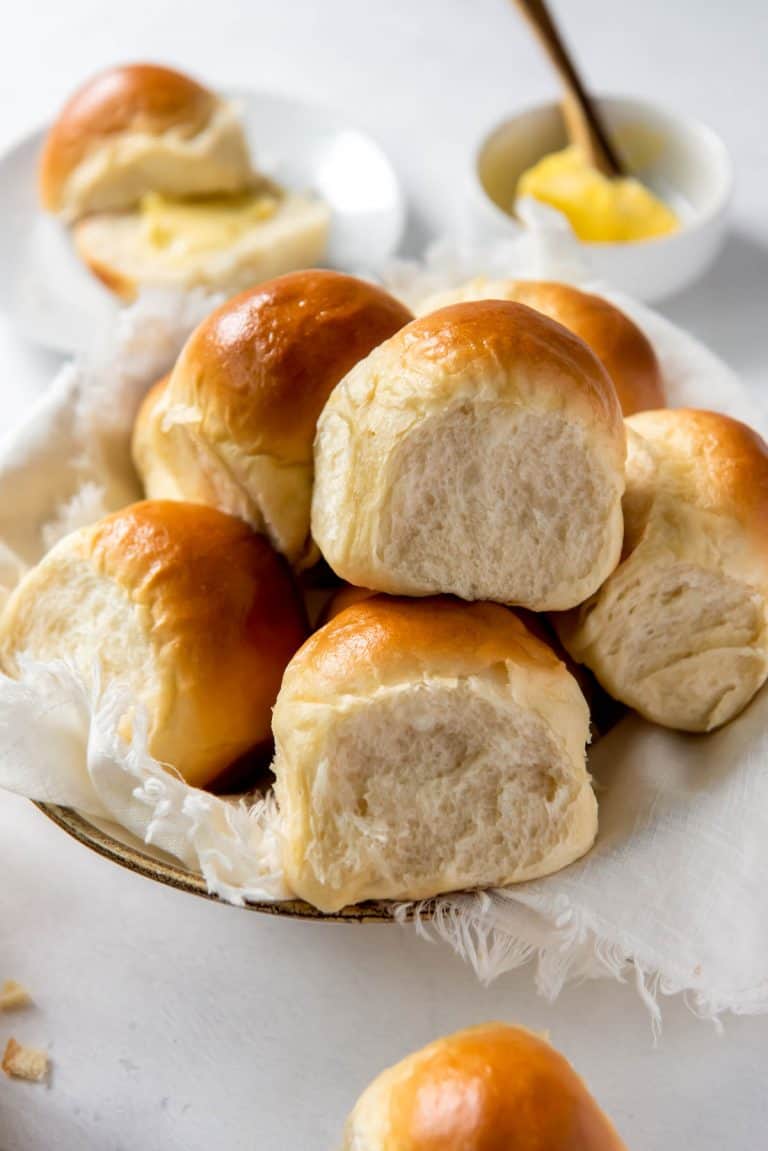
- Easy Dinner Rolls
- Apple Cinnamon Bread with Greek Yogurt
- Carrot Loaf with Cream Cheese Swirl
Enjoyed this Easy Rosemary Focaccia Bread? Leave a quick review and tell us how yours turned out!

Rosemary Focaccia Bread
Ingredients
Method
- To make the biga, combine ½ cup flour, water, and yeast in a large bowl. Stir with a wooden spoon until the ingredients form a wet and sticky ball and no dry flour remains. Cover bowl tightly with plastic wrap and let stand at room temperature for 24 hours.
- To make the dough, stir the flour, water and yeast into biga with a wooden spoon until ingredients form a wet and sticky ball and no dry flour remains. Cover with plastic wrap and let rise at room temperature for 15 minutes.
- Sprinkle 2 tsp. salt over dough and stir into dough until thoroughly incorporated. Cover with plastic wrap and let rise at room temperature for 30 minutes. Spray a rubber spatula with nonstick cooking spray and fold partially risen dough over itself by gently lifting and folding edge of dough toward middle. Turn bowl 90 degrees, fold again. Turn bowl and fold dough 6 more times (for a total of 8 turns). Cover with plastic wrap and let rise for 30 minutes. Repeat folding, turning and rising 2 more times, for a total of three 30-minute rises. Meanwhile, adjust oven rack to upper-middle position, place a baking stone on rack, and preheat oven to 500 degrees for at least 30 minutes before baking.
- Transfer dough to lightly floured work surface. Lightly dust top of dough with flour and divide in half. Shape each piece of dough into a 5-inch round by gently tucking under edges. Coat two 9-inch round cake pans with 2 tablespoons olive oil each. Sprinkle each pan with ½ tsp kosher salt. Place round of dough in pan and slide dough around pan to coat bottom and sides; flip over. Repeat with second piece of dough in second pan. Cover pans with plastic wrap and let rest for 5 minutes.
- Using fingertips, press dough out toward edges of pan. Using dinner fork, poke surface of dough 25 to 30 times, popping any large bubbles. Sprinkle rosemary evenly over top of dough. Let dough rest until slightly bubbly, 5 to 10 minutes.
- Place pans on baking stone and reduce oven temperature to 450 degrees. Bake until tops are golden brown, 22-25 minutes, switching placement of pans halfway through baking. Transfer pans to wire rack and let cool 5 minutes. Remove loaves from pan and return to wire rack. Let cool 30 minutes before serving.
- Loaves can be wrapped and stored at room temperature for up to 2 days.
Nutrition
Notes
- If you do not have a baking stone, bake the bread on an overturned, preheated rimmed baking sheet set on the upper-middle oven rack.
- This recipe was passed on to me from a family member. I do not have the original source of this recipe. It was originally published on this site in 2013.
Hi
How can I make this recipe gluten free?
Thanks!
Great question! I haven’t tried a gluten-free version yet, but you can try using a 1:1 gluten-free all-purpose flour blend that includes xanthan gum (it helps keep the bread from getting crumbly). The texture might be a bit different, but it should still be delicious!
Love this recipe. I still make it to this day, just vary the seasonings or toppings depending on mood. Very easy too. I always said if I ever taught a bread class I would start them off with this one because it would let the student learn the basics without too much specialized skill, and they would end up with a kick you know what bread they can share. Thanks!!
Thanks so much, Mike! I love that this is your go-to. This would be a great starter bread to teach a class. It is such a solid, flexible recipe!
this was fantastic I love the rosemary on here and lucky me has an aero garden so I have it fresh all the time. This is my go to recipe we love this!
Thank you! This is delicious and I love the chance to make focaccia that actually tastes like the one from my favorite restaurant! Yummy.
Hi! I have made this several times successfully, however, I wanted to advise those who live in a tropical country or a humid environment may have to add up to 1/2 cup of additional flour to the dough. Mine always comes out way too wet with the original recipe, and I find adding 1/4 to 1/2 cup works for a warmer climate. Thanks!
Tanya, that is not a bad suggestion. I live in Florida which is often humid and I’ve never had any issues with this recipe. But it probably wouldn’t hurt to add a little more flour is you like it more dry.
I live in the Philippines where it’s humid all the time and I find that I have to add extra flour to a lot of bread recipes I try!